

Carlos Diaz Construction
A paver patio is a simple idea with a lot of work under it. The pavers are the visible part, but the surface only stays flat and stable because of what happens before they are laid.
1. Set out the layout
The outline is marked on the ground and checked against the house, the doors and the edges of the property. This is where the size, the shape and the direction of the pattern are agreed, before anything is excavated.
2. Excavate and prepare the base
The old surface and the soil are removed to the depth the base needs. A patio base is built in layers and compacted between them; cutting that corner is the most common reason a patio settles. The slope is set at this stage so water runs away from the house.
3. Lay and cut the pavers
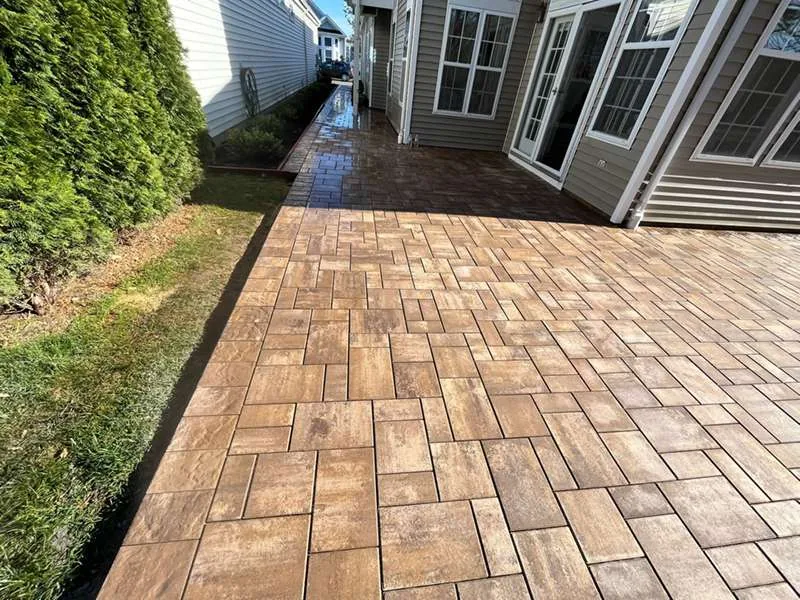
The pavers are laid to the agreed pattern and cut at the edges, doors and corners. A good layout avoids tiny slivers at the edges and keeps the lines running from the house out.
4. Edge restraint and joints
The edges are held with a restraint so the pavers cannot spread, and the joints are filled with the right sand. The surface is compacted and cleaned, and the patio is ready to use.
What to ask before work starts
Ask how deep the base will be, how the water will drain, what holds the edges and what happens to the material that comes out. A written estimate should cover those points, not only the price per square foot.
If you are planning a patio in Central Islip or anywhere in Suffolk County, call us and we will look at the space with you. The estimate is free.
Have a project in mind?
Estimates are free and there is no obligation.